Short answer: both tools can help you feel looser and less sore, but the effects are modest and short-term. A meta-analysis of 21 studies found that foam rolling gives small boosts to flexibility and sprint performance when used before exercise, and slightly reduces muscle soreness when used after. Systematic reviews of massage guns report short-term gains in range of motion and reductions in perceived pain. A foam roller is cheaper and better for big muscle groups. A massage gun is faster, more targeted and easier on the arms. This guide explains the evidence, how to use each tool safely and when to choose one over the other.
Key takeaways
- A 2019 meta-analysis found that foam rolling before exercise improved flexibility by about 4%, and rolling afterwards reduced perceived muscle pain by about 6%.
- The same researchers concluded that the evidence better supports foam rolling as a warm-up than as a recovery tool.
- Reviews of massage guns (Ferreira 2023, Sams 2023) report short-term improvements in range of motion and flexibility, and reduced pain with repeated use.
- Neither tool replaces sleep, nutrition, sensible training loads or medical advice for injuries.
- Never use a massage gun on the front or sides of the neck, over bones, or on injured or numb areas.
What does the research say about foam rolling?
The most-cited summary is Wiewelhove et al. (Frontiers in Physiology, 2019), a meta-analysis of 21 studies in healthy, active people. It separated pre-rolling (as part of a warm-up) from post-rolling (for recovery after hard exercise).
- Before exercise: small improvements in sprint performance (about +0.7%) and flexibility (about +4%). Effects on jumping and strength were negligible.
- After exercise: slightly smaller post-workout drops in sprint and strength performance, and a reduction in perceived muscle pain of about 6%.
- Overall: the authors described the effects as minor and sometimes negligible, but potentially relevant for flexibility, sprint performance and soreness.
In practice, foam rolling is a useful, low-risk addition to a warm-up and a way to feel less sore. It won't transform your performance on its own.
What does the research say about massage guns?
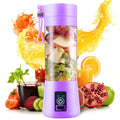
Massage guns (percussive therapy devices) are newer, so the evidence base is smaller, but two systematic reviews were published in 2023.
- Ferreira et al. (Journal of Functional Morphology and Kinesiology, 2023) reviewed studies in healthy and clinical populations. They concluded that massage guns can improve short-term range of motion, flexibility and recovery-related outcomes, particularly in the hamstrings, calves, hip flexors and posterior chain. They also advised against relying on massage guns to boost strength, balance, agility or explosive performance.
- Sams et al. (International Journal of Sports Physical Therapy, 2023) included 13 studies. A single application was associated with short-term increases in muscle strength, explosive strength and flexibility, and multiple treatments with less musculoskeletal pain. The authors noted methodological limitations in all of the studies and called for standardised protocols.
The honest summary: massage guns appear to be effective for short-term mobility and for easing perceived soreness, and the research is still developing. Be wary of marketing that promises much more than that.
Foam roller vs massage gun: which should you choose?
| Foam roller | Massage gun | |
|---|---|---|
| Best for | Large areas: thighs, glutes, calves, upper back | Targeted spots: calves, hamstrings, glutes, shoulders, forearms |
| Evidence base | Larger: dozens of trials, several meta-analyses | Smaller but growing: two 2023 systematic reviews |
| Effort | Uses your body weight, so it's a mini-workout in itself | Very little effort, which suits stiff or tired users |
| Time | 5–10 minutes for a full routine | 30–60 seconds per muscle |
| Portability | Bulkier | Fits in a gym bag. Mini versions fit in a pocket. |
| Cost | Lower | Higher |
Many people end up with both: a high-density foam roller for warm-ups and big muscle groups, and a massage gun or mini massage gun for quick, targeted work after training or a long day at a desk.
How to use a foam roller: a 6-minute routine
Roll slowly, at about 2–3 cm per second. Spend 30–60 seconds on each area and keep the pressure at a "good discomfort" level: about 5–7 out of 10, never sharp pain.
- Calves (1 minute): sit with the roller under your calves, lift your hips and roll from ankle to knee. Cross one leg over the other for more pressure.
- Hamstrings (1 minute): roller under your thighs, roll from just above the knee to below the buttocks.
- Quadriceps (1 minute): face down in a forearm-plank position and roll the front of your thighs from hip to just above the knee.
- Glutes (1 minute): sit on the roller, cross one ankle over the opposite knee and lean towards the crossed side.
- Outer thigh and hip (1 minute): lie on your side and roll the outside of the thigh. Ease off if it's too intense, and support yourself with your top leg.
- Upper back (1 minute): roller across your shoulder blades, hands supporting your head, and roll between the bottom of the neck and the mid-back. Avoid rolling the lower back directly.
Before a workout, keep it brief (about 30 seconds per area) and follow with dynamic warm-up movements. After a workout or on rest days, you can go slower and spend longer on sore areas.
How to use a massage gun safely and effectively
- Start on the lowest speed and use the flat or round head.
- Float the gun over the muscle rather than pressing hard. Let the device do the work.
- Keep moving. Glide slowly along the muscle for 30–60 seconds, and up to about 2 minutes on a large muscle.
- Target muscle bellies. Calves, hamstrings, quads, glutes, shoulders and forearms are good places to start.
- Before training, keep it short (under a minute per muscle) to increase range of motion. Ferreira's review suggests not relying on it before heavy strength or explosive work.
- After training, use a slower, longer pass to help you feel less sore.
Where should you never use a massage gun?
- The front and sides of the neck. Major arteries and nerves run here, and there are published case reports of serious injury after percussive massage to the neck. For neck and shoulder tension, use gentle tools designed for that area, such as a heated neck and shoulder massager with a soft kneading action, and avoid the front of the throat.
- Directly over bone, joints or the spine.
- Over bruises, open wounds, varicose veins, recent fractures or acute injuries.
- Anywhere numb, tingling or swollen.
- For long periods on one spot. Prolonged, intense use has been linked in a published case report to rhabdomyolysis, a serious muscle-breakdown condition. Short, moving passes are the safe default.
Talk to a doctor first if you're pregnant, take blood thinners, have a bleeding disorder, a pacemaker or another implanted device, deep vein thrombosis (DVT), osteoporosis or nerve conditions, or if you're recovering from surgery.
Is recovery gear a substitute for rest?
No. The biggest drivers of recovery are still sleep, adequate protein and energy, hydration and a sensible progression in training. Rollers and massage guns are best viewed as comfortable, low-risk tools that help you warm up, move more freely and feel better. That feeling can help you stay consistent, which is where most fitness results come from. If pain is sharp, persistent or getting worse, see a physiotherapist or doctor rather than trying to massage through it.
You can browse rollers, massage guns and other recovery tools in our fitness & health care collection.
Frequently asked questions
Is foam rolling better before or after a workout?
Both have benefits, but the 2019 meta-analysis found the clearest support for brief foam rolling as part of a warm-up, for flexibility and sprint performance. Rolling after exercise mainly helps you feel less sore.
How long should I use a massage gun on each muscle?
Around 30–60 seconds per muscle, and up to about 2 minutes for large muscles, moving the gun continuously. Short sessions before exercise and slightly longer ones after are a sensible approach.
Does foam rolling break up scar tissue or "release fascia"?
That claim isn't well supported. The benefits are more likely to come from changes in how your nervous system perceives stretch and pain, plus warming the tissue, than from physically reshaping fascia.
Which is better for runners?
Both are popular. A foam roller covers the calves, quads and glutes efficiently, while a massage gun is handy for targeted calf and hamstring work. Many runners use a roller in their warm-up and a massage gun afterwards.
Can I use a massage gun every day?
Short, gentle daily sessions are generally fine for healthy adults. Avoid sore, bruised or injured areas, and take a day off if you notice tenderness that lingers.
The bottom line
Foam rollers and massage guns won't replace good training and recovery habits, but the research does support them for short-term flexibility, range of motion and soreness relief. Choose a foam roller for affordable, whole-body warm-ups, a massage gun for quick, targeted relief, and always use them gently and safely.
Sources
- Wiewelhove T, et al. (2019). A meta-analysis of the effects of foam rolling on performance and recovery. Frontiers in Physiology 10:376. doi:10.3389/fphys.2019.00376
- Ferreira RM, et al. (2023). The effects of massage guns on performance and recovery: a systematic review. Journal of Functional Morphology and Kinesiology 8(3):138. PMC10532323
- Sams L, et al. (2023). The effect of percussive therapy on musculoskeletal performance and experiences of pain: a systematic literature review. International Journal of Sports Physical Therapy 18(2):309–327. PMC10069390
- Science for Sport: Massage guns: an evidence summary, including references to published case reports
This article is for general information and isn't medical advice. If you have pain, an injury or a medical condition, speak to a qualified healthcare professional.